Minimising Light Pollution When Installing Exterior Lighting
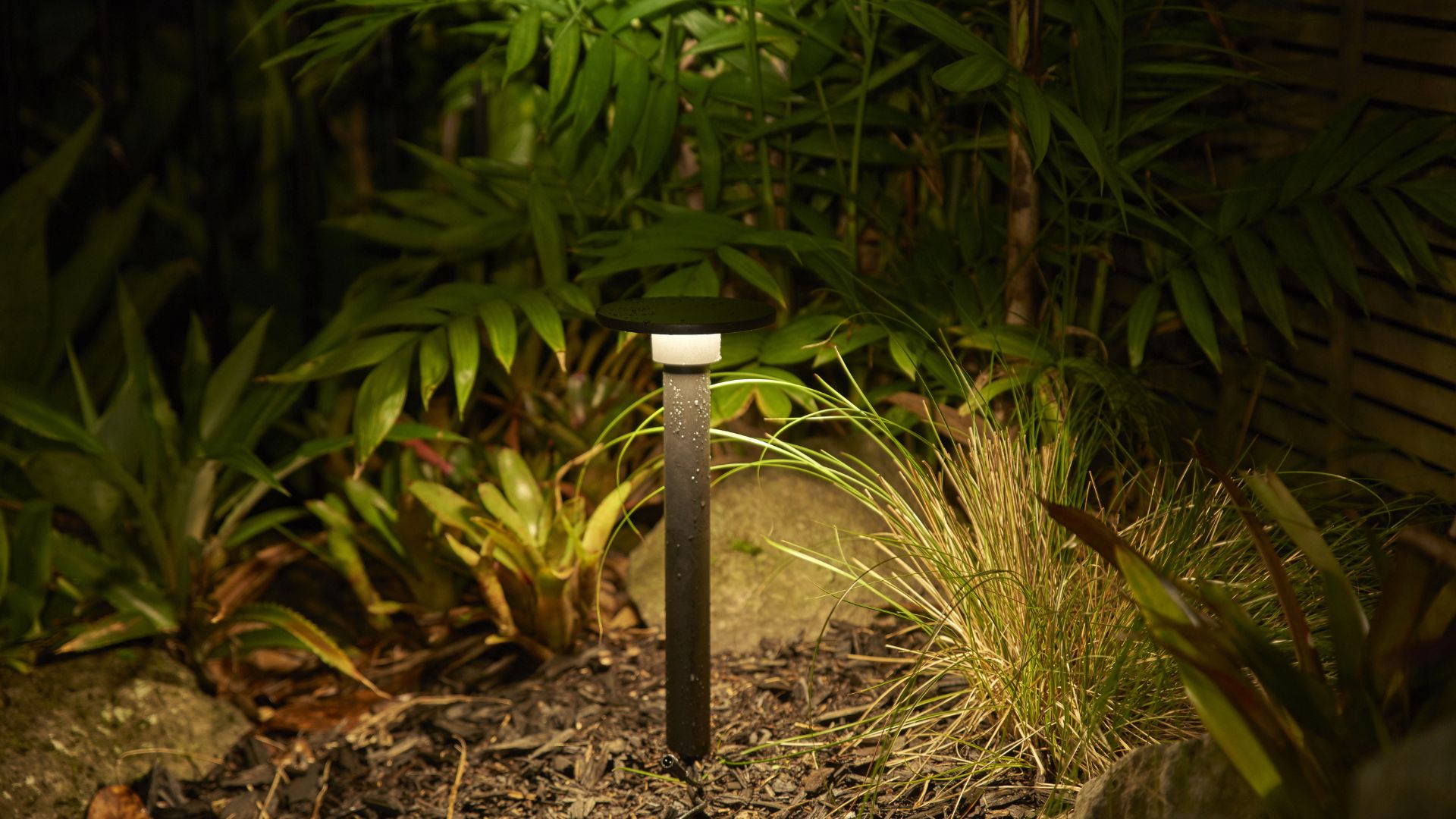
Outdoor lighting should highlight architecture, improve safety, and create atmosphere - not wash the night sky with glare. As technologies developed, exterior lighting has become more powerful and more common - resulting in greater light pollution. It’s a growing concern in New Zealand, where our dark skies are part of what makes our environment so special - and in some regions, it’s even regulated by local council lighting standards.
For electricians, architects, and designers, avoiding light pollution isn’t just about compliance - it’s about quality. Well controlled light looks better, performs better, and respects the environment around it.
What Is Light Pollution - and Why It Matters
Light pollution happens when outdoor lighting shines where it’s not needed: upwards into the sky, sideways into a neighbour’s property, or across landscapes meant to stay dark. It reduces visibility of the stars, disturbs wildlife, and wastes energy.
In NZ, many councils - from Auckland to the Mackenzie District - now include light spill and sky glow limits in their building or environmental plans. Even when it’s not enforced, keeping light under control is a mark of good design and professional installation.
Common Causes of Light Spill
Light spill often happens for a few simple reasons. One of the most common is using fittings that are too bright for the space, where a high-output lamp overwhelms the area instead of enhancing it. Another cause is using unshielded or uplighting fixtures to excess, which allows light to escape upwards or sideways instead of directing it where it’s needed. Poor placement or aiming can also contribute, especially when floodlights are mounted too high or angled incorrectly, creating glare and wasting energy.
How to Install Exterior Lighting To Minimise Light Pollution
To create outdoor lighting that’s both beautiful and considerate of the night environment, follow these simple design and installation principles. They’ll help you reduce glare, prevent light pollution, and make your spaces more comfortable after dark.

1. Choose Full-Cut-Off or Shielded Fittings
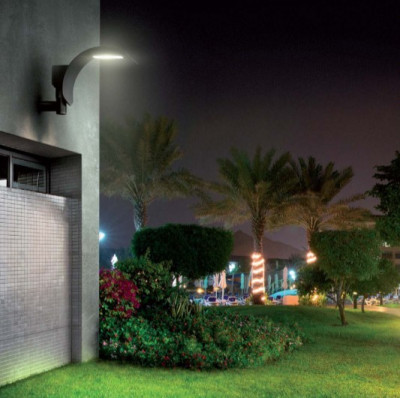
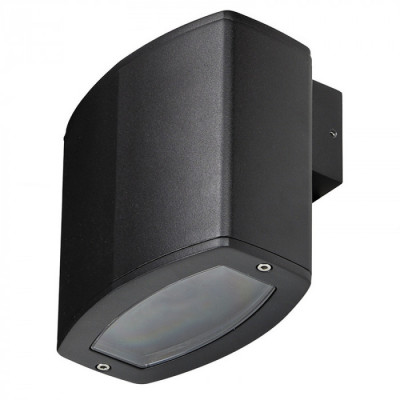
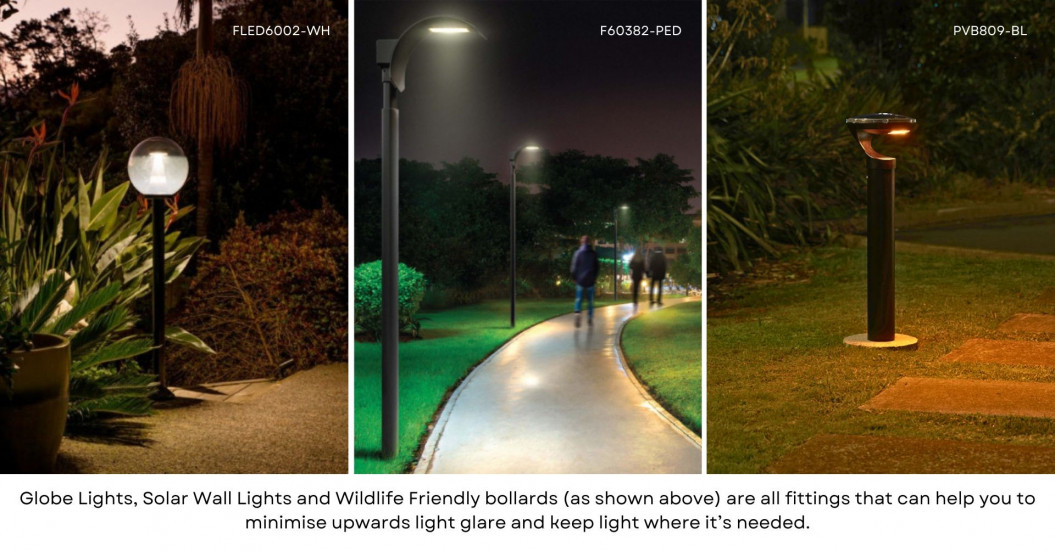
Opt for luminaires that emit light only downwards. A “full-cut-off” design prevents light escaping above the horizontal line of the fitting. Many Superlux exterior wall lights and bollards are engineered with this in mind — focusing illumination on paths, façades, and features without glare or upward spill. By containing the light exactly where it’s needed, you not only protect the night sky but also improve the efficiency of your lighting system.

2. Match Brightness to Purpose
A common rule of thumb: use the lowest lumen output that achieves the task safely. For pathways or entry lighting, 300–600 lumens is often plenty. For larger areas, choose controlled beam floodlights rather than higher wattage. Avoiding excessive brightness helps preserve your eyes’ natural night vision and keeps your outdoor spaces feeling calm and inviting.

3. Warm Up the Colour Temperature
Warm white (2700–3000 K) light blends naturally with the environment and reduces glare. It’s also more pleasant for human vision at night and less disruptive to insects and wildlife — especially around gardens and coastal areas. Choosing warmer tones can also create a more welcoming ambiance, highlighting textures and architectural details without harsh contrasts.

4. Aim Carefully
When installing floodlights or adjustable fittings, check angles at night. The beam should graze the surface you want to light, not shoot across a neighbour’s fence or straight into the sky. If the light source is visible from the street, you may need to tilt it down further or add a visor. Taking a few moments to test your lighting from different viewpoints ensures you illuminate only your intended space and maintain good neighbourly relations.

5. Use Timers, Sensors, and Dimming
Motion sensors and timers are simple additions that keep lights on only when needed. Some modern fittings include built-in dimming options — ideal for long driveways or public access areas that need after-hours illumination but not full brightness. These smart controls not only reduce unnecessary energy use but also contribute to a darker, more restful night environment for everyone.

Regional Considerations in New Zealand
Different parts of New Zealand have unique environmental and regulatory conditions that influence lighting design. In coastal zones, corrosion resistant fittings are essential to withstand salt-laden air, and lower colour temperatures help protect nocturnal birdlife such as petrels and shearwaters. Inland regions, particularly those near native reserves or wetlands, benefit from reduced blue-light emissions to minimise disruption to sensitive ecosystems.
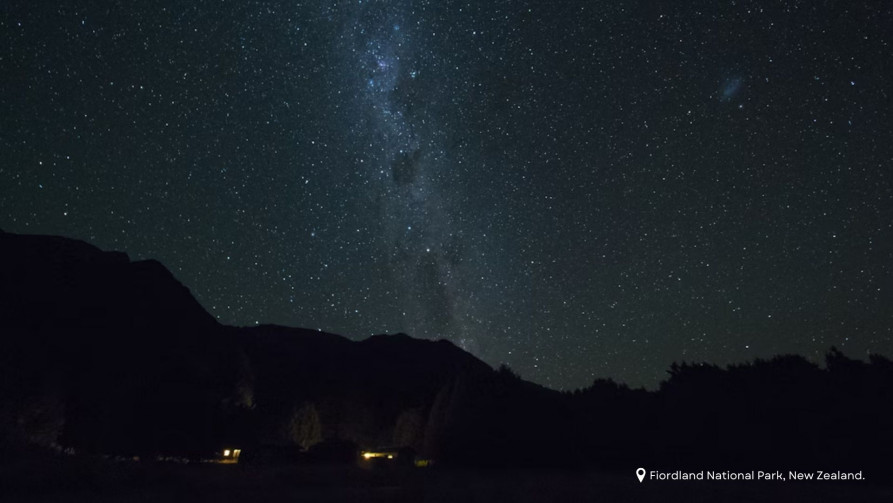
Areas designated as Dark Sky Reserves, such as Aoraki Mackenzie and Great Barrier Island, follow strict lighting codes that limit upward light and control colour temperature to preserve exceptional starlight visibility. In contrast, urban and suburban areas tend to focus on glare control, spill reduction, and visual comfort to prevent nuisance lighting in denser neighbourhoods.
Because regional councils may have their own lighting ordinances or resource consent requirements, checking the relevant local guidelines early in the design process is essential to ensure compliance, protect the environment, and avoid costly rework later. And whether your local council currently has lighting requirements in place or not, the conversation around dark sky protection in New Zealand is only getting louder - so why not get ahead of the crowd and start incorporating some of these best-practice approaches now?
Light Fittings That Minimise Light Pollution
Avoiding light pollution isn’t about turning the lights off - it’s about lighting smarter. By specifying the right fittings, using the correct brightness and angles, and being mindful of how light interacts with its surroundings, we can keep New Zealand’s nights clear and our environment looking it's best.
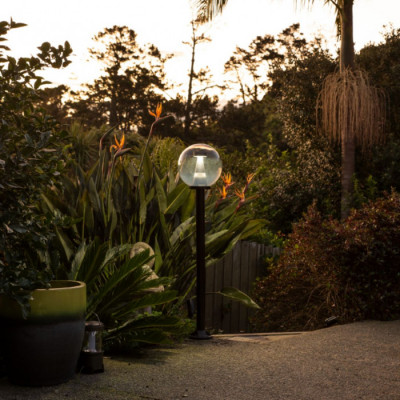
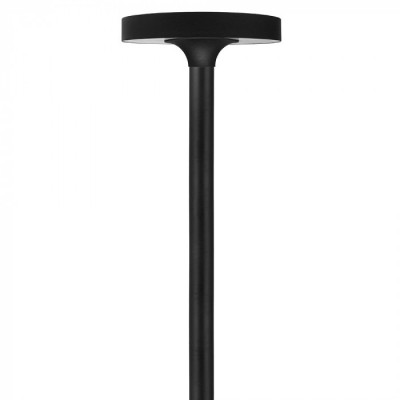
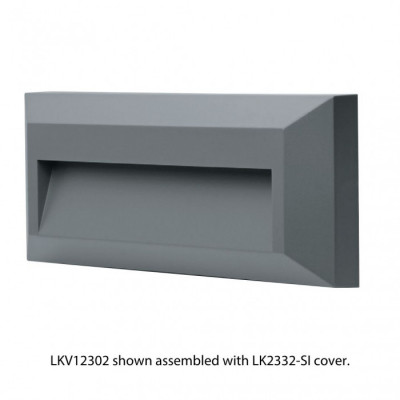
Superlux offers a range of shielded wall lights, bollards, and garden lights designed to minimise upward spill while maintaining aesthetic impact.
Explore a taste of the Superlux exterior range below, head over to our Exterior Wall Lights or Lantern, Bollards and Globes categories, or contact our team for advice and night sky friendly solutions for your next project here.